
Running Injury Rehab in North Kansas City: Getting Past Shin Splints, Sore Knees and Heel Pain This Winter
TL;DR
- November is when a lot of runners either push for a Thanksgiving 5K or start running in the cold for the first time. Both can bring on shin splints, knee or hip strain and plantar fasciitis.
- Most running injuries come from doing too much too soon, tight or cold tissue, worn-out shoes, or a weak link in how you move.
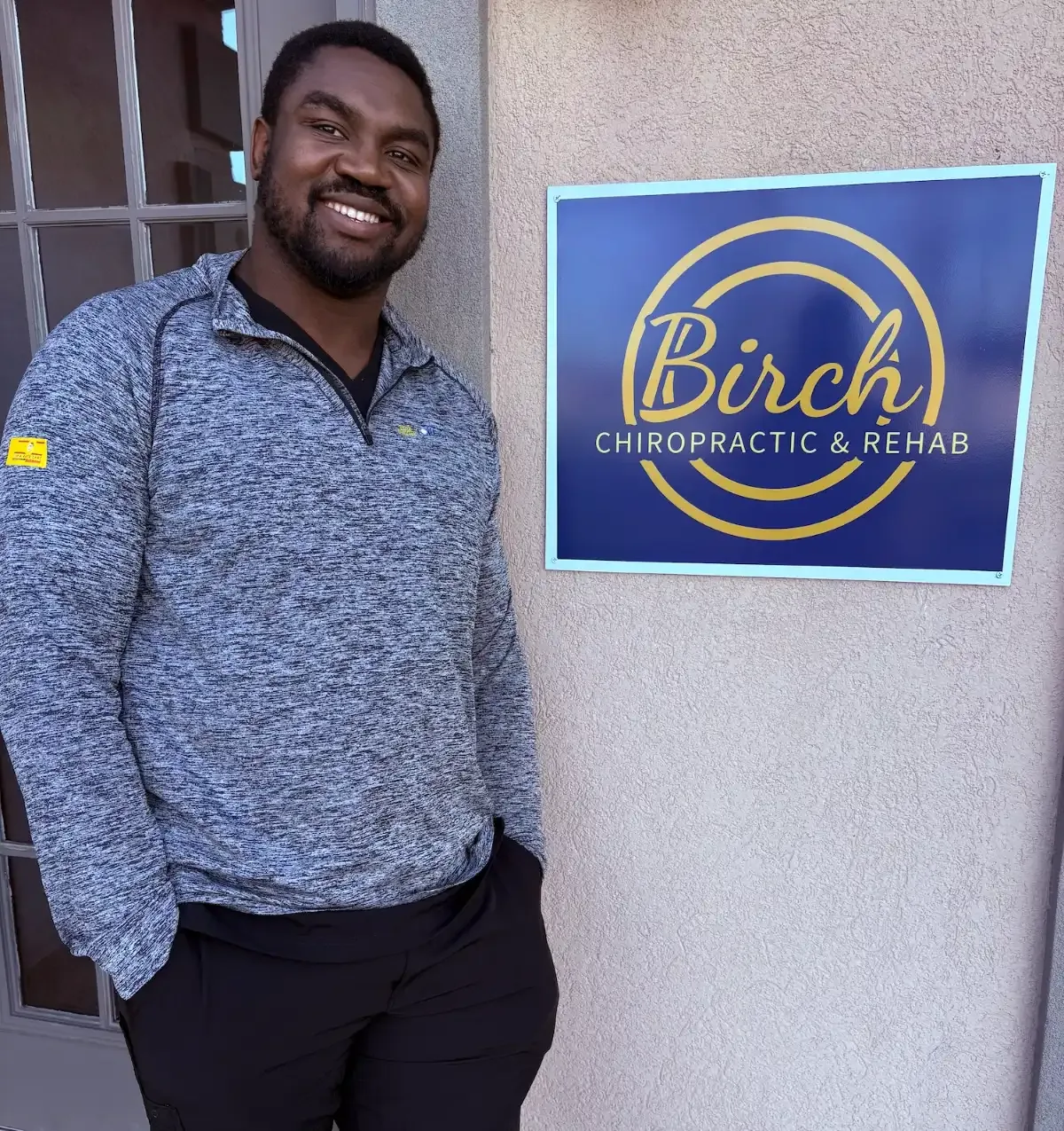
- At Birch Chiropractic & Rehab, Dr. John Birch combines chiropractic care, manual therapy, dry needling and corrective exercise to get you back to running, not just out of pain.
- You don't need a referral, and new patients can start with a complimentary consultation.
If your shins ache after your morning loop or your knee started complaining halfway through a training plan, you're in good company. Cold mornings, shorter days and a turkey trot on the calendar all change how and how much people run in November.
This guide covers the running injuries we see this time of year, what you can do at home, and what running injury rehab looks like at our North Kansas City clinic.
Why Do Running Injuries Pick Up in November?
Running injuries tend to pick up in November because many people change their training at the same time the weather changes. Some runners ramp up mileage for a holiday 5K. Others are new to running, or coming back after a summer off, and jump in quickly.
Doing too much, too soon
The most common pattern is a fast jump in volume or intensity. Going from a couple of easy runs a week to daily runs, adding speed work, or signing up for a race a few weeks out can overload tissue that hasn't had time to adapt. Our summer athletic injury guide notes that runner's knee, Achilles tendinopathy and similar overuse problems flare up when training volume increases too quickly, and that's just as true in November.
Cold muscles and stiff joints
Cold mornings make it tempting to skip the warm-up and just get going. Muscles and joints that are still stiff don't absorb impact as well. Our winter mobility guide covers why the cold affects how you move and why a short warm-up makes such a difference.
Harder surfaces and darker routes
Shorter days push many runners onto sidewalks and roads in the dark, or onto a treadmill for the first time. Uneven pavement you can't see well and a sudden change in surface can both add stress to your feet, shins and knees.
Shoes that are past their prime
Running shoes wear out. Our plantar fasciitis guide suggests replacing worn-out running or walking shoes every 300 to 500 miles.
What Running Injuries Do We See Most?
The running injuries we see most often this time of year are shin splints, runner's knee and IT band pain, hip strain and plantar fasciitis. Here is how each one tends to show up.
Shin splints
Shin splints usually feel like an ache along the inside or front of your lower leg that starts during a run and lingers afterward. They are common when mileage climbs quickly or when you switch to harder surfaces.
Runner's knee and IT band pain
Runner's knee often shows up as an ache around or behind the kneecap, especially on hills, stairs or after sitting. IT band pain tends to sit on the outside of the knee. Both are often tied to how your hips and legs are controlling each stride. Our knee rehabilitation guide covers knee pain in more depth.
Hip strain
Tight hip flexors from sitting all day, combined with a burst of running, can leave the front or side of your hip sore. Weakness around the hip can also show up as knee pain further down the chain.
Plantar fasciitis
Plantar fasciitis is heel pain that is often worst with the first steps out of bed in the morning. It's common in runners and walkers, especially when mileage, shoes or surfaces change.
What Can I Do at Home for a Running Injury?
For a new running ache, the first steps at home are to back off the miles, warm up properly and pay attention to how your body responds. These habits help many runners:
- Cut back, don't always stop. Reduce high-impact running during a flare. Walking, cycling or other low-impact options may keep you moving while things calm down.
- Warm up before you head out. A few minutes of brisk walking, leg swings and easy movement helps on cold mornings.
- Build mileage gradually. If you have a holiday race coming up, it's usually better to run it at an easy pace than to cram in extra training.
- Check your shoes. If you can't remember when you bought them, it may be time.
- Dress for the cold so you aren't running tense and hunched over.
- Don't run through sharp pain. Pain that changes how you run is a signal to stop and get it checked.
If an ache keeps coming back every time you return to running, or it's getting worse instead of better, that's usually the point where home care isn't enough on its own.
How Does Running Injury Rehab Work at Birch?
Running injury rehab at Birch is built around getting you back to running, not just resolving pain. Our sports rehabilitation program follows four phases:
1. Assessment and pain relief
2. Restoring mobility and movement
3. Rebuilding strength and stability
4. Progressive return to play
What's in your plan
Depending on what Dr. Birch finds, your plan can include:
- Chiropractic care to restore joint motion
- Manual therapy for soft tissue restrictions
- Dry needling for trigger points
- Corrective exercise for strength and control
- Movement screens to help prevent re-injury
How a session runs
Each session follows the same rhythm. First comes assessment: your injury history, a functional movement assessment and orthopedic testing to find the real weak link. Next is treatment, with hands-on care to reduce pain and restore mobility to the injured area. Then comes progression, with strengthening and sport-specific movement until you're ready for full activity. Most sessions run 20 to 30 minutes, and new patient appointments take longer because they include the initial consultation and exam.
Returning to running
As our sports rehab recovery timeline explains, returning to distance running is different from returning to a cutting sport like soccer. Your plan is built around your sport, your injury and your goals, whether that's finishing a holiday 5K comfortably or getting back to your regular weekly miles.
Who Is Running Injury Rehab For?
Our sports rehab program serves athletes of all ages and levels, from youth and high school competitors to weekend warriors and masters athletes. You don't need to be fast or competitive. If running is part of how you stay healthy and an injury is getting in the way, you're who we built this for.
One of our patients, Alisa W., put it simply in a review: "Dr Birch is great! He has helped me through injuries and gotten me back to running!"
How Much Does It Cost, and Do You Take Insurance?
We do not accept insurance, but we offer a variety of flexible payment options. We accept Visa, Mastercard, Discover, Apple Pay, Google Pay and cash. If you have questions about cost, contact our office before your visit and we'll walk you through it.
New patients can start with a complimentary consultation. You can see what's included on our new patient page. There are no hidden fees and no long-term commitment.
When Should a Running Injury Be Checked by a Doctor Right Away?
Some symptoms need medical attention first. See a medical doctor or go to urgent care if you have:
- Pain that is sharp and focused on one spot of the bone, especially if it hurts to walk
- Swelling, bruising or a deformity after a fall or twist
- You can't put weight on the leg
- Numbness, tingling or weakness that is getting worse
- Calf pain with swelling, warmth or redness
Chiropractic care and rehab work alongside your medical care. If something feels very different from a normal training ache, get it checked.
Book a Visit at Birch Chiropractic & Rehab
Birch Chiropractic & Rehab
409 NE Shady Ln Dr, Kansas City, MO 64118
(816) 491-8000
Hours
Monday through Thursday: 9:00am to 6:00pm
Friday: 8:00am to 12:00pm
Book your visit or call us at (816) 491-8000.
Frequently Asked Questions
What types of athletes do you treat?
Athletes of all ages and levels, from youth and high school competitors to weekend warriors and masters athletes. Care is tailored to your sport, injury and goals.
How is this different from regular physical therapy?
Sports rehabilitation at Birch focuses on returning you to performance, not just resolving pain. It combines chiropractic care, manual therapy, dry needling and progressive strength work.
How long does running injury rehab take?
It depends on the injury and how severe it is. Some runners recover in a few weeks, and more significant injuries take longer. You'll get a realistic timeline after your evaluation.
Can you help prevent running injuries, not just treat them?
Yes. We use movement screens and corrective exercise to find and address the weak links that lead to injury before they sideline you.
Do I need a referral?
No referral is needed. Call us at (816) 491-8000 or claim the new patient special online to get started.
Do you accept insurance?
We do not accept insurance, but we offer a variety of flexible payment options. Contact our office before your visit to talk through payment.
Visit our North Kansas City clinic
409 NE Shady Ln Dr, Kansas City, MO 64118 · Mon–Thu 9:00am–6:00pm, Fri 8:00am–12:00pm